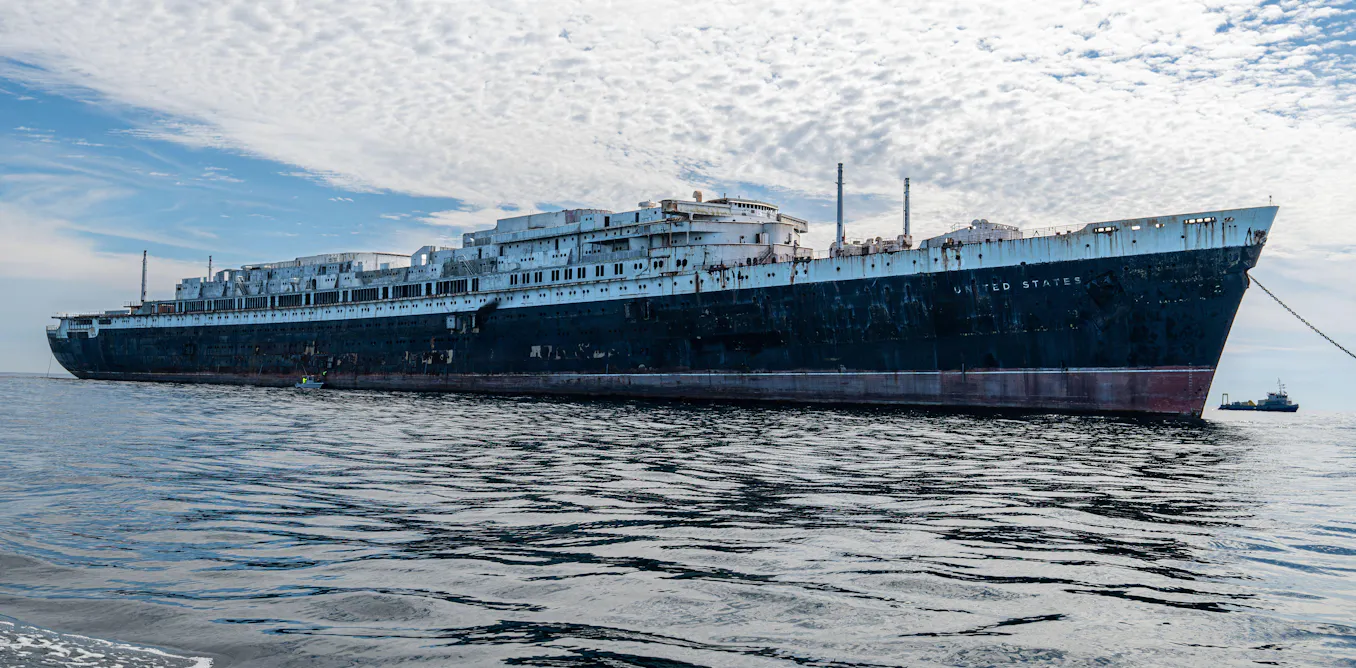
The famous SS United States ocean liner has been sunk to turn it into an undersea reef. The historic ship was taken on its final trip to start a new life at the bottom of the sea. People are watching as this giant ocean legend changes into a home for sea life.
Why has the SS United States been sunk?
The main goal of sinking the SS United States is to build a massive undersea reef. When a large metal ship rests on the ocean floor, it gives marine plants and fish a safe place to live. Small fish can hide inside the structure, while larger ocean animals come to find food around the new habitat.
Turning old vessels into artificial reefs is a common way to help marine life grow in the open water. Over time, coral and sea plants will cover the metal walls of the ship. This process turns a piece of human travel history into a busy underwater ecosystem that supports local wildlife for many decades.
What key facts define the SS United States journey?
This big event marks the end of a long story for a vessel that was once known as a true ocean legend. Here are the main facts about the ship and its final mission:
- The vessel was built as a top speed ocean liner for travel across the ocean.
- It has now been placed deep underwater to serve as an artificial reef.
- The project creates a brand new ocean habitat for many types of fish.
- People who sailed on it in the past are following its final journey today.
The transformation of classic vessels has a long record in maritime history. Big ships have always captured the human imagination, much like historic wooden vessels such as the Santa María ship did hundreds of years ago. Today, modern steel ships find new purpose under the waves instead of being cut up for scrap metal on land.
What does this ocean reef project mean for ordinary people?
For regular people and local towns, a new artificial reef can bring good news for the local area. Divers will eventually be able to visit the site to explore the underwater ship. Local boat captains and fishing groups often see more ocean life in places where giant reefs are created, which helps local tourism.
It also gives people who loved the old ship a clear way to remember it. Instead of sitting idle at a dock or being destroyed, the ocean liner stays intact under the water. It remains a famous point of interest, but now it serves the ocean environment instead of carrying passengers across the sea.
What should readers watch for next?
Over the next few months, environmental teams will monitor the underwater location of the ship. They will check how quickly sea plants begin to grow on the steel hull. Scientists like to track how fast wild fish move into their new room inside the structure.
Photos and videos of the underwater site will likely be shared as the reef develops. People who care about ship history and ocean health will be able to watch the ship change into a thriving reef. It is the final chapter for a famous ship that spent its life on top of the water and will now stay under it.
Comments
Post a Comment