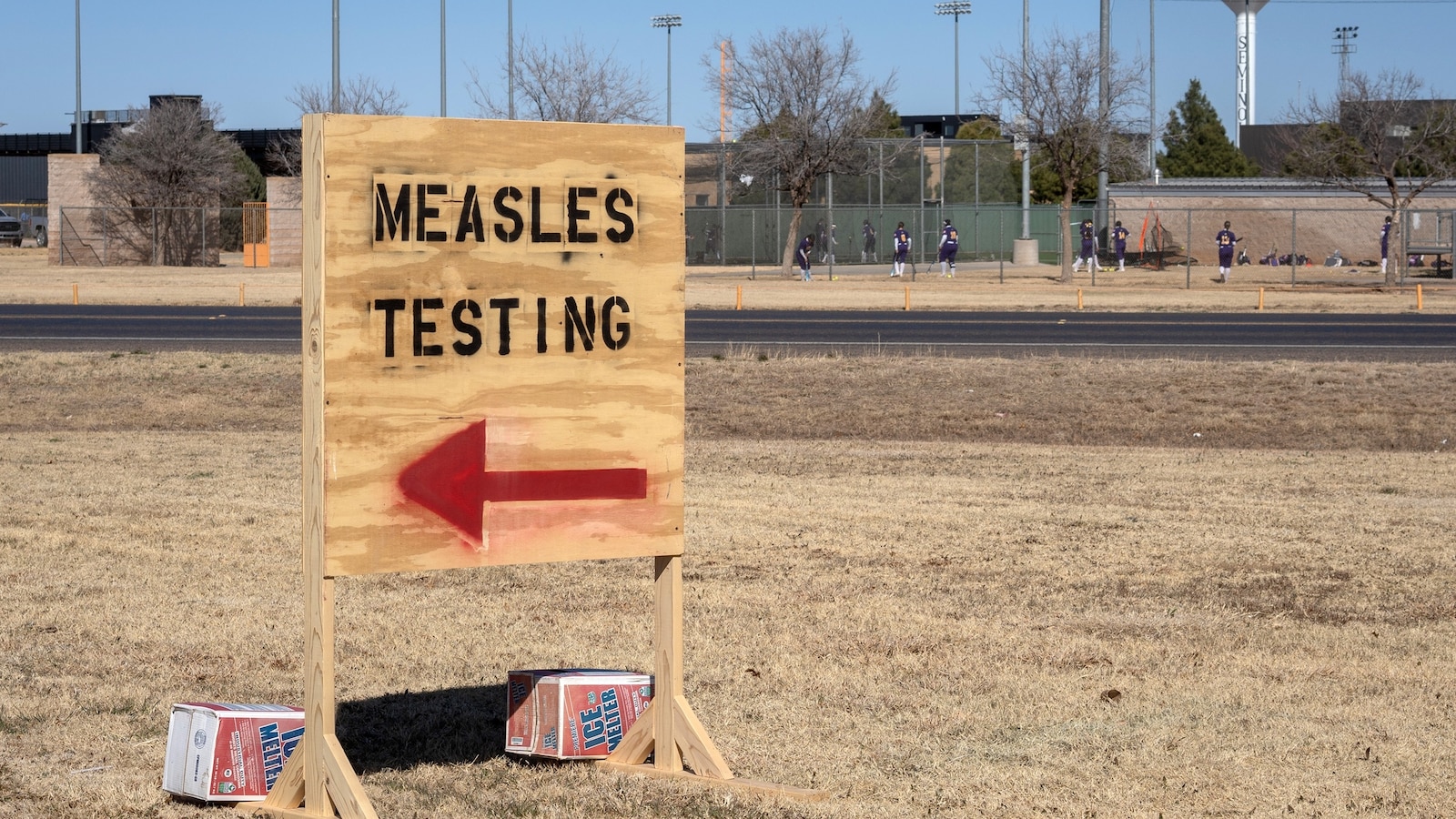
The Centers for Disease Control and Prevention released a fresh update on measles cases and outbreaks. Health experts track these infections closely to stop local spread. The new report highlights where active illness shows up across the country.
What the CDC report says about measles cases and outbreaks
The latest report focuses on tracking every single case to protect communities. Health departments look for sick patients so they can warn anyone who shared the same room. A case often starts after someone travels and catches the virus before coming home.
When several infections connect to each other, officials call it an outbreak. The agency works with local doctors to identify spots where numbers rise quickly. You can read more about measles to understand how fast this illness passes between people.
What are the main symptoms of measles?
People should know the first signs of illness so they can act quickly. It often starts with a high fever, a cough, a runny nose, and red watery eyes. Tiny white spots can also show up inside the mouth before the main signs appear.
A few days later, a red skin rash breaks out on the face and spreads down the body. Doctors watch for several key warning signs during an exam:
- High fever that begins quickly
- Cough, runny nose, and pink eyes
- A flat red rash that spreads downward
- Feeling very tired and weak
Why health officials watch measles numbers so closely
Health leaders worry because this illness spreads through the air very easily. When a sick person coughs or sneezes, germs stay in the air for up to two hours. Anyone who enters that room without protection can breathe in the virus and get sick.
The United States previously eliminated this sickness years ago, but foreign travel brings it back. When groups of unprotected neighbors live close together, one case can spread rapidly. Experts follow the broader measles resurgence in the United States to see how communities change over time.
What families should do next to stay safe
Parents can call their family doctor to review their personal medical records. Checking clinic files helps you confirm whether your household already has full protection. If anyone missed an appointment, local clinics can get family members up to date quickly.
If you suspect someone in your home has caught the virus, call the clinic before you walk inside. Calling ahead allows nurses to prepare a separate room so other patients do not breathe the same air. Following these simple steps helps keep doctors, waiting rooms, and neighborhood schools safe for everyone.
Comments
Post a Comment